Click Here To Add A FREE Mystery Gift: Orders $99+

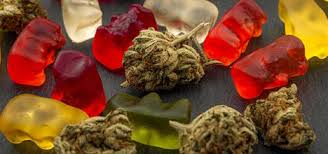
Smoking vs Eating Edibles
Posted on
Table of contents
Smoking Cannabis vs. Eating Edibles – What’s the Real Difference in Experience? What Happens When You Smoke vs. Eat THC What Is THCA Flower vs. THC Flower? Not All THC Flower Is Created Equal Potency and Psychoactive Experience: Why Edibles Feel Stronger Than Smoking Who Might Prefer a Gummy? Comparing a 10mg Edible to Smoking a Joint Who Might Prefer Smoking? Immediate Effects and Real-Time Control Health Considerations: Smoking vs. Eating THC Dosing and Overconsumption Risks: Why It’s Easier to Overdo It With Gummies Stronger Gummies and the Rise of Nano THC for High-Tolerance Users Cost, Convenience, and Lifestyle Fit: What Works Best for You? From Passing Joints to Sharing Gummies – How Cannabis Culture Is Evolving in Intimate Spaces Can You Really Compare Eating an Edible to Smoking a Joint? FAQ: Smoking a Joint vs. Eating a THC Gummy Related Readings
Smoking a joint and eating a THC gummy both deliver cannabis—but they do it in very different ways. Smoking offers fast, short-term relief with effects that kick in within minutes and fade in a couple of hours. It’s great for people who want control, ritual, and an immediate high. Gummies, on the other hand, take longer to kick in (30 to 90 minutes) but produce stronger and longer-lasting effects —especially for managing pain, anxiety, or sleep.
Edibles are often the better choice for people who want discretion, consistency, and no lung impact . They’re also more cost-effective in the long run, especially with bulk packs and loyalty programs. A $35 bottle of 60 gummies can last a month or more, and there’s no smell, no red eyes, and no extra gear.
Can you really compare smoking vs eating edibles? Yes—if you know how to dose and understand how each method works with your body. Both are valid, and many people use them together in different contexts. The best method is the one that fits your routine, goals, and comfort level.
Smoking Cannabis vs. Eating Edibles – What’s the Real Difference in Experience?
If you’ve ever stood at a dispensary counter or browsed an online menu, you’ve probably asked yourself: Should I smoke it or eat it? Joints and gummies are two of the most popular ways to consume cannabis, but they deliver very different experiences—both in how they feel and how they affect your body.
Some people prefer the ritual and immediacy of smoking flower. Others want the discretion, potency, and long-lasting effects of an edible. What you choose can depend on your goals, tolerance, lifestyle, and health considerations .
In this article, we’ll break down the key differences between smoking a joint and eating a weed gummy—from how each form of THC behaves in the body, to the risks, benefits, and practical considerations of each. We’ll also explore the difference between THC flower and THCA flower , and why that matters when deciding how to consume cannabis.
Whether you're new to cannabis or rethinking your current routine, understanding these differences can help you make a more informed—and more enjoyable—choice.
Editor’s Note —
We also sell THCa flower.
We’re an edibles first brand, and we also carry THCa flower. Rather than making health claims, here’s a practical way to evaluate fit for your situation. Edibles are pre measured and long lasting—ideal when you want a consistent arc with no maintenance. Flower is fast and adjustable; you can take one light inhale, wait 10–15 minutes, and stop if you’re already where you want to be. Control matters because people differ. Some feel best with a gentle, short window; others prefer a deeper, longer effect. The best plan is to test on separate days and keep a brief log (dose, time, context, next day feel). You’ll discover your minimum effective dose and preferred route without guess work. Another angle is ritual and flavor. Fresh flower’s terpenes add a sensory dimension that can encourage slower pacing. If that helps you stay mindful and moderate, it’s worth noting in your journal. Curious to compare? See our Premium THCa flower collection and keep our Smoking vs. Edibles explainer handy for a straight forward pros/cons summary. Consume legally, don’t drive, and store products securely.
What Happens When You Smoke vs. Eat THC
The difference between smoking cannabis and eating a THC gummy starts with how your body processes the cannabinoid. While both methods ultimately deliver THC , the journey it takes—and the effects it produces—are completely different.
When you smoke a joint , THC enters your bloodstream almost immediately through your lungs. This direct route to the brain produces rapid effects , usually within minutes , making it easy to gauge how high you’re getting. The high tends to peak quickly and taper off within 1 to 3 hours , depending on dose, strain, and personal tolerance.
With a THC gummy , the process is slower and more complex. THC must first travel through your digestive system , then be metabolized by your liver . This transforms it into a more potent compound called 11-hydroxy-THC , which crosses the blood-brain barrier more efficiently and produces a stronger, longer-lasting high . Onset usually takes 30 to 90 minutes , and the effects can last 4 to 8 hours —sometimes even longer for those with slower metabolisms or higher doses.
This metabolic difference explains why edibles often feel more intense and body-heavy , while smoking is often described as more heady, controllable, and short-lived.
Understanding these basic differences helps explain why some people swear by edibles for sleep or chronic pain, while others prefer smoking for social use or quick relief.
What Is THCA Flower vs. THC Flower? Not All THC Flower Is Created Equal
One of the biggest differences between smoking a joint and eating a THC gummy is how quickly you feel the effects—and how long they last. This distinction isn’t just about personal preference; it can shape the entire experience and determine which method is best for your lifestyle or needs.
When you smoke THC flower , the cannabinoids are absorbed almost immediately through the lungs , entering your bloodstream and reaching your brain within minutes. Most people feel the effects within 2 to 10 minutes , with the peak of the high occurring around 30 to 60 minutes . The overall experience usually lasts 1 to 3 hours , depending on your dose, tolerance, and whether you’re smoking THCA flower or a high-THC strain.
In contrast, THC gummies follow a much slower and more complex path. After ingestion, the THC must pass through the digestive system and be metabolized by the liver , where it’s converted into 11-hydroxy-THC —a compound known for producing stronger and longer-lasting effects . Because of this extra processing step, onset can take anywhere from 30 to 90 minutes , and effects can last 4 to 8 hours , sometimes even longer for those with slower metabolisms or after consuming higher doses.
This time difference can lead to two very different experiences:
Smoking is ideal when you want immediate relief , more control over dosing, or a high that fades within a few hours. It’s often preferred for social use or quick relaxation.
Gummies are better when you need extended effects , such as staying asleep through the night, managing chronic pain, or reducing anxiety over a longer period. They require more patience, but the payoff is more sustained relief.
The trade-off? Smoking offers fast feedback but fades quicker, while edibles take longer to kick in but often deliver a deeper and more lasting experience. Understanding these timelines helps prevent overconsumption—especially with edibles, where people may be tempted to redose before the first gummy has fully taken effect.

Potency and Psychoactive Experience: Why Edibles Feel Stronger Than Smoking
If you’ve ever felt more “out of it” from a weed gummy than from smoking an entire joint, you’re not imagining it. While both methods deliver THC, the psychoactive experience they create is noticeably different in intensity, duration, and how it affects your body and mind .
When you smoke cannabis, you’re inhaling delta-9 THC , which acts quickly and creates a high that many describe as cerebral, social, or functional . The effects are more immediate and easier to manage, especially because the high tends to peak and fade within a few hours. This makes smoking better suited for those who want more control over how high they get , or for situations where a short-term buzz is preferred—like during the day or in social settings.
THC edibles, on the other hand, introduce a completely different psychoactive experience. Once metabolized by the liver, delta-9 THC is converted into 11-hydroxy-THC , which is significantly more potent and capable of crossing the blood-brain barrier more efficiently. This form of THC binds more strongly to CB1 receptors in the brain, often leading to a heavier, longer-lasting body high with deeper sedation, altered time perception, and sometimes a stronger emotional or introspective component.
This is why many users report that edibles feel more “intense,” and why they’re often reserved for nighttime use, stress relief, or long-term symptom management like pain or insomnia.
That said, “stronger” doesn’t always mean better. Some people find edibles too overwhelming or difficult to dose, especially with inconsistent products or poor timing. Smoking offers a faster, more predictable way to assess how much THC you’ve consumed in real time, which can be helpful for beginners or people trying to avoid overdoing it.
If you’re trying to decide between the two, it often comes down to how long you want the effects to last, how quickly you want to feel them, and whether you prefer a lighter, heady buzz or a deeper, full-body experience .

Who Might Prefer a Gummy? Comparing a 10mg Edible to Smoking a Joint
Gummies offer a very different cannabis experience, and they tend to appeal to people who want discretion, longer-lasting effects, and no smoke . But the strength of a gummy can also be surprising—especially when compared to smoking flower.
For example, a 10mg THC gummy might not sound like much on paper, especially when a single joint can contain 50–100mg of THC or more depending on potency and size. But the way your body metabolizes the THC in an edible versus smoking flower changes the experience entirely.
When you smoke, you absorb delta-9 THC quickly through your lungs, but not all of it enters your bloodstream efficiently. Some of the cannabinoids are destroyed through combustion or exhalation. The result is a high that’s immediate but shorter-lived , often described as heady, functional, and easier to control.
With a 10mg gummy, you’re dealing with precise dosing and a full conversion of that THC into 11-hydroxy-THC , a more potent metabolite. Even though you’re technically consuming less THC than in a joint, the effects can feel just as strong—or stronger , especially for those with a low to moderate tolerance. The high is more body-centered , longer-lasting, and can sneak up on you if you’re not familiar with the delayed onset.
This is why gummies are often preferred by:
Medical users , especially those treating chronic pain, insomnia, or anxiety.
People who don’t want to inhale smoke or deal with the smell.
Anyone looking for sustained relief , such as a full night of sleep or day-long symptom control.
Low-tolerance users who want predictable, consistent effects.
For those with a sensitive respiratory system or a desire for a calmer, more private experience , THC gummies are often the better fit. They’re portable, easy to dose, and discreet—but they do demand patience and respect for their delayed but powerful onset.
Who Might Prefer Smoking? Immediate Effects and Real-Time Control
While edibles offer convenience and longer-lasting effects, smoking a joint still holds major appeal—especially for users who value speed, flexibility, and a more traditional cannabis experience.
Smoking is ideal for people who want to feel the effects quickly . Within just a few minutes of inhalation, THC reaches the brain and begins altering perception, mood, and body sensation. This rapid onset gives smokers the ability to control their dose in real time , adjusting the number of puffs or stopping once the desired effect is reached. That kind of feedback loop simply doesn’t exist with edibles, where the full strength may not reveal itself for over an hour.
Many users also prefer the mental clarity and lighter touch of smoking. While still psychoactive, the high from inhaled THC often feels more uplifting and functional , with a faster taper, making it easier to return to baseline. This is particularly useful for people who want to consume cannabis during the day, or in social situations where staying alert is important.
You might prefer smoking if you:
Want immediate relief from anxiety, nausea, or acute pain.
Use cannabis recreationally and enjoy the ritual and flavor of flower.
Like gradual onset and short duration , rather than hours-long effects.
Want precise control over your dose and don’t want to risk overdoing it.
Smoking is also favored by more experienced users, especially those who have developed a high tolerance and find that low-dose edibles don’t provide the same intensity or flexibility. It’s also the go-to option for people who enjoy trying different strains and appreciating the full spectrum of flavors and terpenes that smoking offers.
However, while the effects of smoking wear off faster, it does involve inhalation of combusted plant material , which raises separate health considerations—something we’ll cover next.


Health Considerations: Smoking vs. Eating THC
When choosing between smoking a joint and eating a weed gummy, it’s not just about the high—it’s also about how each method affects your body in the long run. Both forms of consumption come with their own set of health trade-offs, and knowing them can help you make more informed decisions, especially if you’re using cannabis regularly.
Smoking: Fast Effects, Lung Exposure
Smoking cannabis introduces THC and other cannabinoids directly into the bloodstream through the lungs. While this method offers speed and control, it also involves inhaling smoke and combustion byproducts , which can irritate the respiratory system. Even though cannabis smoke is chemically different from tobacco smoke, it still contains tar, carbon monoxide, and carcinogenic compounds.
Frequent smoking can lead to:
Chronic coughing or phlegm production
Respiratory irritation or bronchitis-like symptoms
Increased exposure to harmful particulates if smoked in joints, blunts, or low-quality paper
For people with asthma, COPD, or other lung sensitivities , smoking can exacerbate symptoms or become unsustainable over time.
Edibles: No Smoke, But Not Risk-Free
Edibles eliminate the need to inhale anything, which makes them appealing to health-conscious users or those with respiratory concerns. However, that doesn’t mean they’re completely benign.
Because edibles are processed through the digestive system and liver , they can occasionally cause stomach discomfort , bloating , or unpredictable effects —especially in people with slower digestion or metabolic conditions. Overconsumption is also more likely due to the delayed onset, leading to nausea, anxiety, or a prolonged, unpleasant high.
Additionally:
Some edibles contain high sugar content , artificial flavors, or allergens.
Inconsistent dosing in homemade or unregulated products can increase risk.
High doses taken frequently may strain the liver , especially in people taking other medications.
Smoking may be easier on the stomach but harder on the lungs. Edibles are gentler on the respiratory system but demand better planning and patience to avoid negative experiences. Neither is entirely risk-free, but each can be used safely when consumed responsibly and with awareness of your individual health needs.
Dosing and Overconsumption Risks: Why It’s Easier to Overdo It With Gummies
One of the biggest differences between smoking and eating cannabis is how easy it is to accidentally take too much. With smoking, the effects come on quickly, giving you the opportunity to stop or slow down as needed. With edibles, the delay in onset can lead people to take more than they should—only to regret it an hour later when the full high hits all at once.
Smoking: Real-Time Feedback, Easier Self-Regulation
When you smoke a joint, you typically feel the effects within 5 to 10 minutes . That fast feedback allows for titration —adjusting your intake based on how you feel in the moment. If you’re starting to feel too high, you can stop smoking immediately, and the effects will likely peak and fade over the next 1 to 2 hours.
Overconsumption with smoking is possible, but it’s easier to catch before it becomes overwhelming . Nausea, anxiety, and dizziness are rare unless someone is taking massive hits or using concentrates.
Edibles: Delayed Onset, Higher Risk of Taking Too Much
Edibles, especially THC gummies, can take 30 to 90 minutes to kick in—and even longer on a full stomach. During that waiting period, it’s common for people to assume it “isn’t working” and take another dose. By the time the effects finally peak, they may have doubled or tripled their intended dose , leading to anxiety, nausea, paranoia, or hours-long disorientation.
A 10mg THC gummy might seem small, but once metabolized into 11-hydroxy-THC , it can hit with surprising intensity—especially for inexperienced users.
Symptoms of edible overconsumption include:
Rapid heart rate
Sweating or chills
Nausea or vomiting
Disorientation or panic
Feeling “stuck” or unable to sleep it off
Unlike smoking, there’s no quick way to come down from a bad edible experience. Once it starts, you have to ride it out , which can last 4 to 8 hours or longer.
Tips for Safer Dosing
With smoking, start small and wait 10–15 minutes before taking another puff.
With edibles, start with 2.5 to 5mg , especially if you’re new.
Wait at least 2 full hours before considering another dose.
Always read product labels and understand your own tolerance.
Being intentional with how you dose—regardless of method—makes cannabis far more enjoyable and minimizes the chances of overdoing it.

5mg Gummies: Mild and Manageable.
10mg Gummies: The Sweet Spot
15mg Gummies: Stepping It Up
25mg Gummies: Deep Relaxation
Stronger Gummies and the Rise of Nano THC for High-Tolerance Users
As cannabis consumption becomes more personalized, the market has evolved to meet the needs of high-tolerance users , especially those who smoke regularly. For these consumers, standard 5mg or 10mg THC gummies may no longer deliver the desired effects. Instead, stronger options—like 25mg or 50mg per serving edibles —are becoming more popular.
These high-dose edibles are designed to produce a heavier, more sustained body high , ideal for users dealing with chronic pain, insomnia, or simply looking for a more potent experience. While they’re not recommended for beginners, they can be effective when used carefully by experienced consumers who already understand how THC affects their body.
Another advancement is the emergence of nano THC , a type of nano-emulsified THC that absorbs more quickly in the body. Unlike traditional edibles that take 60 to 90 minutes to kick in, nano THC often begins working in 10 to 20 minutes . The result is a faster onset , shorter duration, and a high that many users describe as more similar to smoking or vaping —clearer, lighter, and easier to manage.
This makes nano THC particularly appealing for:
Smokers looking to transition away from combustion
Users who want quicker relief without waiting an hour
Situations where timing and discretion matter
Nano THC is most commonly found in beverages, fast-acting gummies, and dissolvable strips , and it's quickly becoming a favorite for cannabis users who want edible convenience without the unpredictability of a delayed, overly intense high.
As edibles continue to advance, products like high-dose gummies and nano formulations are helping bridge the gap between smoking and eating cannabis—giving heavy users more control, stronger effects, and a wider range of options to fit their needs.
Cost, Convenience, and Lifestyle Fit: What Works Best for You?
Beyond potency and health impact, the choice between smoking a joint and eating a THC gummy often comes down to lifestyle compatibility, discretion, and long-term cost-efficiency . These aren’t just personal preferences—they directly shape how cannabis fits into your daily routine and what kind of experience you're likely to have.
Convenience and Discretion
THC gummies excel in convenience and subtlety . They’re compact, travel-friendly, odorless, and require no tools, no cleanup, and no open flames. You can keep a pack in your desk drawer, gym bag, or nightstand and consume one discreetly, with no one around you noticing. There’s no smoke, no red eyes (if you dose conservatively), no coughing fits, and no lingering odor on your breath, hair, or clothing.
For people with demanding careers, social obligations, or parenting responsibilities , this level of discretion is a game-changer. If you’re stepping into a Zoom meeting, going on a first date, or heading to a family gathering, a gummy provides you with calm, clarity, or focus without signaling to the world that you’ve consumed cannabis.
Smoking, by contrast, is more visible and harder to hide . Whether it’s rolling papers, lighters, pipes, or even the smell of the flower itself, the process is more obvious and harder to mask. Smoking also requires stepping outside, finding a private space, and often lingers long after the high has worn off.
Cost Efficiency: Gummies Can Stretch Further
While some assume that gummies are more expensive than flower, that’s not always the case— especially when you buy smart . Through loyalty programs, subscription pricing, or bulk packs, a 60-count bottle of gummies can cost as little as $35 . That breaks down to less than $0.60 per dose , which, for many moderate users, is enough to last a full month or longer.
Flower, on the other hand, may appear cheaper at the ounce level, but it burns faster and requires additional purchases—grinders, rolling papers, lighters, storage jars, and more. Plus, the lack of standardized dosing makes it easier to use more than you intended, which reduces cost-efficiency over time.
Which Fits Your Lifestyle?
If you:
Need to be productive during the day
Want to avoid obvious signs of cannabis use
Prefer predictable, repeatable results
Travel, date, or work in environments where privacy matters
Then gummies are likely the better match for your lifestyle.
If you:
Enjoy the ritual of smoking
Want fast, on-demand effects
Prefer a social or creative use experience
Are okay with a shorter, lighter high
Then smoking may still be your preferred method .
Many users adopt both. Edibles become the go-to for quiet, long-lasting relief, while smoking remains the method of choice for quick feedback or evening routines. The most important thing is finding the format that matches your goals, your routine, and your comfort level.
Whether you prefer smoking a joint or eating a THC gummy depends on more than just how high you want to get. It’s about how you want to feel, how quickly you need relief, how much control you want over your dose , and how cannabis fits into your lifestyle—professionally, socially, and personally.
Smoking offers immediacy and tradition. It’s ideal for users who value the fast onset, ritual, and real-time control. For those with higher tolerances, or who enjoy cannabis in social or creative settings, a joint is quick, effective, and familiar. But it’s also less discreet, more invasive on your lungs, and often impractical in public or professional environments.
Gummies, on the other hand, are clean, portable, and precise. They’re designed for users who want long-lasting relief without inhaling smoke, without drawing attention, and without guesswork. Whether you're managing anxiety, pain, sleep issues, or just want a quiet buzz while staying productive or social, edibles offer a practical and often more sustainable way to consume cannabis—especially for those looking for consistency and low-impact use.
There’s no universal “best” option—it comes down to what fits your needs. Many people find a balance by using both: smoking when they need quick relief or short-term effects, and gummies when they want prolonged support, privacy, or gentler health impact .
The key is understanding how each method works and how your body responds. Start slow, stay consistent, and choose based on your own goals—not someone else’s routine. Whether it’s a puff or a gummy, your cannabis experience should work for you.

From Passing Joints to Sharing Gummies – How Cannabis Culture Is Evolving in Intimate Spaces
Over the past several years, the role of cannabis in social and intimate settings has quietly evolved. What was once centered around passing a joint —a shared ritual that symbolized closeness and openness—has increasingly shifted toward sharing gummies or discreet edibles. And for many people, especially women, this change is more than aesthetic— it’s about comfort, control, and trust .
Where smoking can feel spontaneous, gritty, or even a bit chaotic, edibles create a more controlled and intentional environment . A joint might lead to coughing fits, red eyes, or lingering smells—not ideal in romantic or social moments. In contrast, gummies can be dosed precisely, consumed discreetly, and timed with intention. That sense of predictability and cleanliness makes them far more appealing in one-on-one settings or early-stage relationships, where someone may want to relax without feeling vulnerable or out of control.
For many women, this difference matters. There's a growing trend of viewing smoking as a habit tied to mess, smell, or health concerns , while edibles feel more modern, manageable, and health-conscious. A gummy can be shared quietly, without dominating the moment. There’s no lighter to fumble with, no cloud of smoke hanging in the air, and no risk of pushing someone past their comfort zone with an unexpectedly strong hit.
Instead, gummies help foster safer, softer cannabis moments . The experience is often more about connection—whether winding down together, watching a movie, or having a deep conversation—without the edge or unpredictability that sometimes comes with smoking. As cannabis becomes more widely accepted and used across all demographics, especially among women and newer consumers, gummies are quickly becoming the go-to choice for shared experiences that feel personal, private, and intentional .
Can You Really Compare Eating an Edible to Smoking a Joint?
At first glance, eating a gummy and smoking a joint might seem like completely different experiences—and in many ways, they are. The onset time, intensity, and physical sensations can vary widely. But if you understand how each method works and know how to dose properly , the two become much more comparable than people think.
Yes, you can compare them— if you understand your body, your tolerance, and the timing of each form . A 10mg edible might hit as hard as a full joint, but it does so with a delay and in a different way. Smoking gives you immediate feedback and fades faster. Gummies hit later, last longer, and often settle more deeply in the body. But both can offer consistent, satisfying results when used intentionally.
The key is self-awareness. If you take your time to learn how your body responds, how much THC works for you, and what kind of experience you want— relief, relaxation, creativity, social energy, or sleep —you can make either method work for you.
Some people will always prefer the ritual and immediacy of smoking. Others find that edibles offer a smoother, more discreet experience that fits better into modern lifestyles. In the end, it’s not about which one is better—it’s about which one fits your life better .
FAQ: Smoking a Joint vs. Eating a THC Gummy
1. Can I feel just as high from a gummy as I do from a joint?
Yes. A 10mg edible can feel just as strong—or stronger—than a full joint due to the way THC is metabolized into 11-hydroxy-THC , which is more potent and longer-lasting.
2. How fast do the effects kick in for each method?
Smoking : 2 to 10 minutes
Gummies : 30 to 90 minutes
The key difference is immediacy. Smoking gives faster feedback, while edibles require patience.
3. How long do the effects last?
Smoking : 1 to 3 hours
Gummies : 4 to 8+ hours
Gummies are ideal for longer, sustained relief—smoking wears off faster and is better for short sessions.
4. Are gummies better for sleep and long-term symptom control?
Yes. Because they last longer and provide a more body-centered effect, gummies are often preferred for sleep, chronic pain, anxiety , and managing symptoms throughout the night.
5. Can smoking be healthier if it's natural flower?
Even natural flower produces smoke, which contains tar, carbon monoxide, and particulates that can irritate the lungs. Smoking may be natural, but it still comes with respiratory risks over time.
6. Are gummies better for discretion?
Definitely. Gummies have no smell, no smoke, no tools , and don’t leave behind any lingering odor or red eyes. They’re the preferred choice for people in professional, social, or dating situations who want subtle relief.
7. What if I want to use both?
You can—but do so thoughtfully. Many people smoke for fast onset and use gummies for long-lasting effects . Just avoid stacking doses too quickly, especially with edibles, and always know your limits.
8. Can I microdose with smoking or gummies?
Yes, but gummies offer more precise control . With smoking, it’s harder to measure exact intake unless you're using tools like vaporizers or one-hitters. Edibles allow for 2.5mg or 5mg dosing , perfect for microdosing.
9. What are nano THC edibles and how do they compare?
Nano THC is fast-acting edible THC that kicks in within 10 to 20 minutes , offering a high more similar to smoking. It's ideal for users who want quicker relief with the convenience of an edible.
10. Are edibles more cost-effective long term?
Gummies are often more cost-effective , especially with loyalty programs or bulk options (e.g., 60-count bottles for $35). They offer consistent dosing, no waste, and no need to buy accessories like lighters or grinders.

How long should I hold each pose?
For beginners, 15-30 seconds is ideal. As you progress, aim for 1-2 minutes.
What attire is best for practicing yoga?
Opt for stretchy, breathable fabrics. Yoga pants, fitted tees, or tank tops work great.
Can I incorporate these poses into my daily routine?
Definitely! A daily practice, even if short, can offer immense benefits.
A pose feels too difficult. What should I do?
Always listen to your body. Use props like blocks or straps for support, and consider modifications

